
Frozen Shoulder
If you are looking for an appointment, see Welo's frozen shoulder assessment and supportive care in Kuala Lumpur and Petaling Jaya.
Frozen shoulder (adhesive capsulitis) causes pain and restricted shoulder movement. Care usually combines pain management with a tailored movement programme. An assessment helps distinguish it from other shoulder problems before choosing treatment.

What are the symptoms and risk factors?
Pain can disturb sleep, and stiffness can make dressing or reaching difficult. The joint capsule tightens, limiting movement. It is more common between ages 40 and 60, in women, and in people with diabetes or thyroid conditions. Reduced movement after injury or surgery can also contribute.
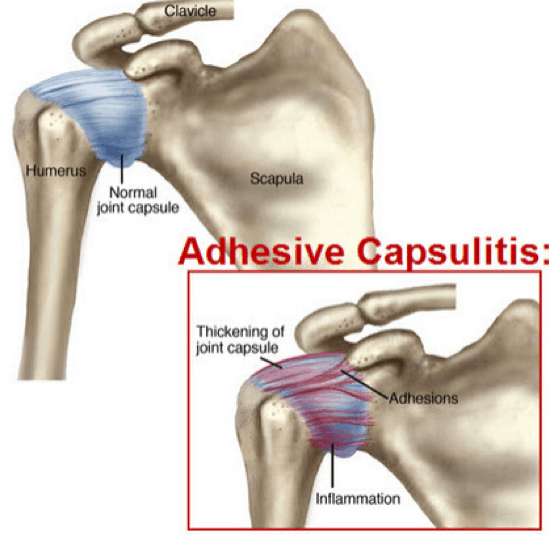
What are the three stages?
- Freezing: pain increases and movement gradually becomes more restricted.
- Frozen: pain may ease while stiffness continues to limit daily tasks.
- Thawing: movement gradually improves.
Recovery can take months to years. Timelines vary; this is not a promise of full recovery by a particular date. AAOS explains the stages and assessment.
What treatment options should I discuss?
A clinician can assess your movement and plan suitable exercises. Physiotherapy may include gentle mobility work and progressive strengthening. A medical doctor can advise on pain medicines or other options when needed; these are not all services offered by Welo.
Follow your agreed exercise plan rather than forcing painful movement or inventing strenuous exercises. Seek medical assessment if pain persists or the shoulder becomes difficult to move. Read the NHS treatment guidance.
Where can I arrange an assessment in KL or PJ?
For clinic information, start with Welo’s frozen shoulder assessment and supportive care. Our Taman Wahyu centre in Kuala Lumpur has the dedicated physiotherapy floor. If you prefer Damansara Jaya, Petaling Jaya, contact that team to confirm the appropriate service before booking.
When enquiring, describe how long symptoms have lasted, which movements are difficult, and any previous assessment. Ask which practitioner to book, the assessment fee and what to bring. Contact the centre directly for personal health details.
This article provides general information, not a diagnosis or a personalised treatment plan. The sources above inform the general guidance; they do not endorse Welo or predict an individual result.